Published on
(This story appeared in the November 2026 issue of Public Utilities Fortnightly)
After years of relatively steady, predictable demand across the electric, water and natural gas sectors, utility leaders across the country are preparing for something entirely different: explosive growth driven by data centers, industrial reshoring, electrification, aging infrastructure, and economic development.
These challenges were at the heart of the 35th Annual Public Utility Symposium, hosted on September 23 by the Financial Research Institute (FRI) at the University of Missouri in Columbia, Missouri, where regulators, utility executives, researchers, consumer advocates and technology companies from across the country gathered to discuss what many described as a once-in-a-generation transformation across the energy and water infrastructure landscape.
The symposium’s theme for 2026, “Cracking the Code: Meeting Changing Customer Demands and Expectations,” reflected the growing urgency facing utilities as they work to balance reliability, affordability and infrastructure investment amid unprecedented demand forecasts.
For many panelists, the defining issue is the speed and intensity at which service and load demand is emerging across all sectors.
“I think what makes this moment so different than what we have seen in the past is the pace, the magnitude, and uncertainty with the changes we are seeing,” said John Moura, Director of Reliability Assessment and Performance for the North American Electric Reliability Corporation (NERC). “We’re integrating large loads that can be added very quickly.”
Throughout the symposium, panelists emphasized that data centers have become a primary driver of growth, particularly as AI technologies require ever greater energy consumption and water needs. At the same time, speakers noted that manufacturing expansion, reshoring efforts, aging water infrastructure and broader electrification trends are also contributing to rising demand forecasts across all sectors.
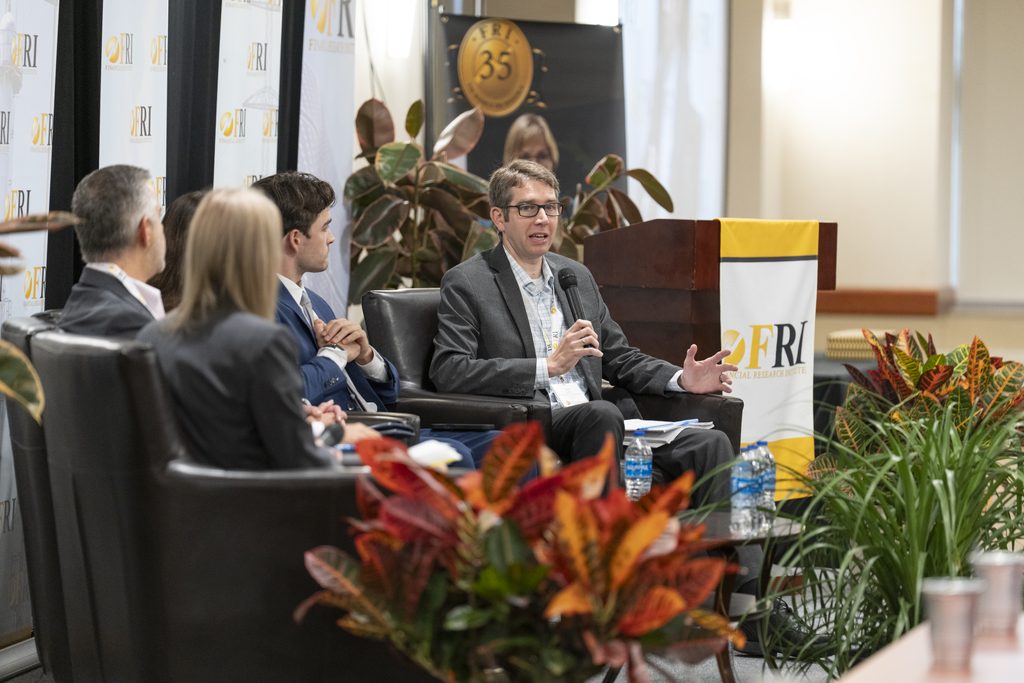
Representing the technology sector, Tyler Huebner, Central Region Manager of Energy Market Development for Google, shared the scale of growth occurring within the industry.
“Our electricity consumption in 2025 was 37% higher than that of 2024,” Huebner said. “For a company that’s been growing, growing, growing, then hitting 37% growth in one year, absolutely we are really starting to see growth that exceeds expectations.”
Yet speakers stressed that accommodating that growth is far more complicated than simply building new facilities. According to participants across the electric, gas and water sectors, the industry faces mounting challenges related to transmission and distribution development, pipeline capacity, supply-chain constraints, resource adequacy, permitting timelines and maintaining reliability while integrating new customers.
“It may seem like uncharted territory,” said Patrick Woods, President of ITC Great Plains. “But focusing on basic services like transmission remains the key. Transmission is the ultimate reliability and affordability long-term guarantor.”
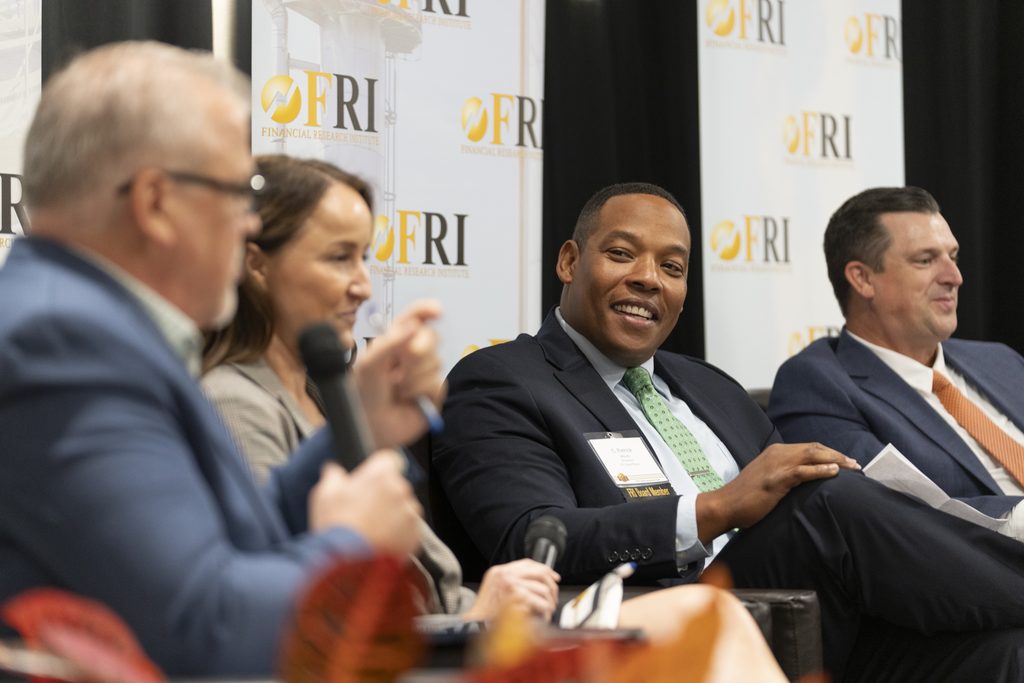
A recurring theme was ensuring that existing customers were protected as utilities make significant investments to serve new loads. Regulators, consumer advocates and utilities discussed rate designs, contractual arrangements and cost-allocation approaches intended to ensure that residential and small-business customers do not unfairly subsidize infrastructure built for large industrial or data center projects.
“You certainly don’t want that same bucket of money to inherently put upward pressure on costs for consumers and other customers,” said Jessica Hobbick, Vice-President of Rates and Regulatory for Arizona Public Service.
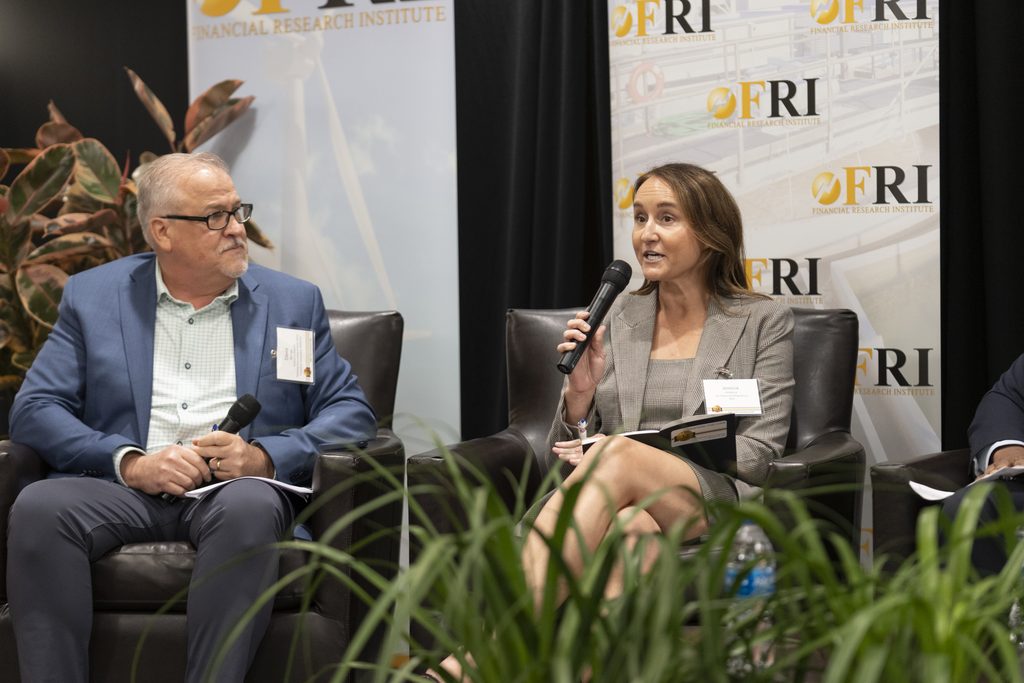
Speakers also highlighted the economic opportunities associated with new investments. Data centers and advanced manufacturing facilities can bring jobs, tax revenue and economic development to communities, offsetting an ongoing emphasis on concerns about their impact. Beyond physical growth, leaders addressed the technology that is transforming the industry and its infrastructure security.
“The only way to stop a bad guy with AI,” said Brian Rybarik, Chair of the Washington State Utilities and Transportation Commission, “is to have a good guy, or good guys, with AI.”
Despite the challenges, many presenters expressed optimism about the benefits that AI and technological innovation can deliver.
2026 Crystal Award Presentation
One of the highlights each year of the symposium is the official award of the industry’s highest honor, the Crystal Award for Distinguished Contribution, presented annually by FRI to an individual who has made recent outstanding and significant contributions to the design, implementation or analysis of public utility regulatory policy. The 2026 Crystal Award went to Greg White, retired Executive Director of the National Association of Regulatory Utility Commissioners (NARUC) and former commissioner on the Michigan Public Service Commission.
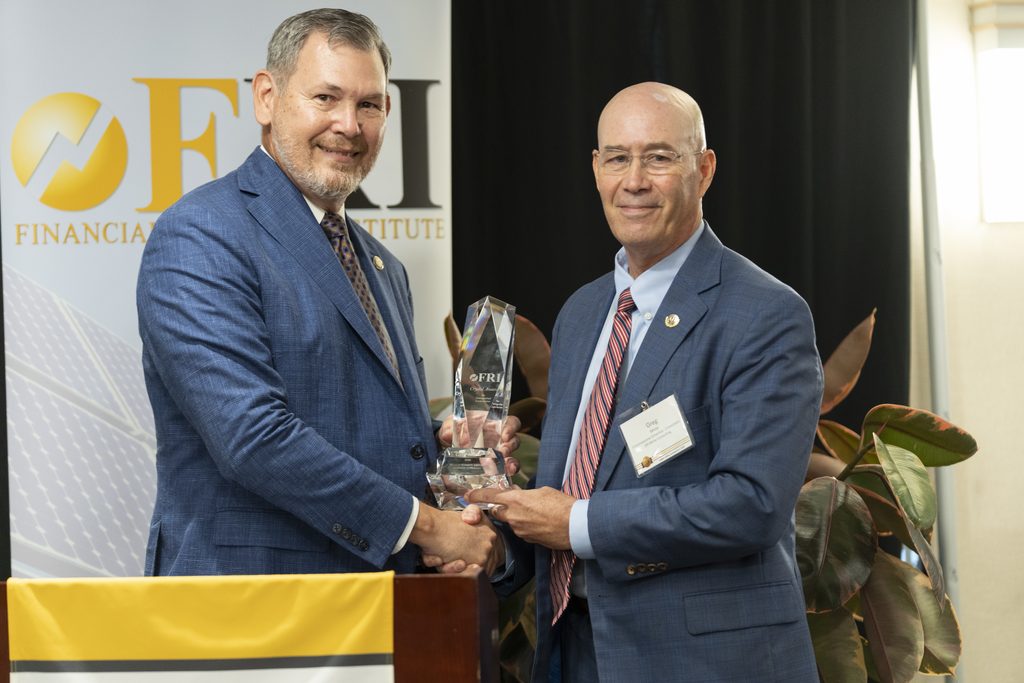
“I am deeply honored and humbled to receive this recognition,” White said. “I have always felt like, despite my experience and all my years, my learning curve always remained super steep. So to have my name alongside some of the people who have won this award in the past is just an incredible honor.”
The 36th FRI Annual Public Utility Symposium will return to the University of Missouri on September 15, 2027.
###